
As spring approaches and yard work picks up, I’ve tested numerous fuels and filters to keep your Honda lawn mower running smoothly. I know how frustrating it is when engine performance drops or starts to stall. After hands-on testing, I found that quality fuel clearly impacts efficiency, but choosing the right fuel filter makes the biggest difference—especially on those long mowing days.
My go-to is the BlueStars 2 Pcs GCV160 Fuel Filter – Honda GCV190 GC160LA. It filters out 99% of impurities thanks to high-density Nylon mesh, which means your engine gets cleaner fuel for better combustion. It also fits a wide range of Honda models and boasts durable, corrosion-resistant materials. Compared to simpler or less compatible filters, this product delivers reliable, long-lasting performance, improving power and reducing stalls. After thorough comparison, its superior filtration and robust build make it stand out, especially if you want consistent, trouble-free mowing.
Top Recommendation: BlueStars 2 Pcs GCV160 Fuel Filter – Honda GCV190 GC160LA
Why We Recommend It: This fuel filter offers exceptional filtration with high-density Nylon mesh that traps 99% of impurities, ensuring cleaner fuel supply. Its durable ABS plastic housing resists wear and corrosion, providing longevity. Plus, broad engine compatibility means it fits multiple Honda models, reducing the risk of performance issues. Compared to cheaper, less versatile options, the BlueStars filter’s precise fit and superior build make it the best choice for keeping your mower in top shape season after season.
Best fuel for honda lawn mower: Our Top 5 Picks
- Hipa 17211-Z8B-901 Air Filter for Honda GCV160 GCV160LAO – Best Value
- GCV 160/170/190/200 Air & Fuel Filter for Honda Engines – Best Premium Option
- Strongthium 3/16 & 1/4 Gas Fuel Line Hose Set 2 Size Rubber – Best Fuel Line for Honda Lawn Mower
- Neeseelily 16950-Z0Y-003 Fuel Shutoff Valve Honda Lawn – Best Fuel Shutoff Valve for Honda Lawn Mower
- BlueStars 2 Pcs GCV160 Fuel Filter – Honda GCV190 GC160LA – Best Fuel Filter for Honda Lawn Mower
Hipa 17211-Z8B-901 Air Filter for Honda GCV160 GCV160LAO

- ✓ High filtration efficiency
- ✓ Easy to install
- ✓ Great value for price
- ✕ Limited to Honda GCV engines
- ✕ May need replacement after heavy use
| Filtration Efficiency | 99% airborne particles |
| Air Filter Dimensions | Length: 5-3/16 inches, Width: 4-1/2 inches, Height: 7/8 inch |
| Compatible Engines | Honda GCV160, GCV170, GCV190, GC190LA, GCV160A0, GCV160LA0, GCV160LA1, GCV170LA, GCV190LA; also compatible with EB2800I, EG2800I generators, and Husqvarna HU800AWDH, LCC221RW, L221A, HU700F with Honda engines |
| Filter Material | Multi-fiber high-density media |
| Package Contents | Air filter, fuel filter, spark plug |
| Installation | Tool-free, quick slot-in design |
Compared to other air filters I’ve handled for Honda lawn mowers, the Hipa 17211-Z8B-901 stands out immediately with its sturdy construction and precise fit. It feels substantial in your hand, with dimensions that perfectly match the specs, making installation straightforward without any fuss.
The moment you slip this filter into your GCV160 engine, you’ll notice how snug and secure it feels. Thanks to the high-density multi-fiber media, it effectively traps 99% of airborne particles, which means your engine breathes cleaner air.
I’ve seen dirt build-up in older filters, but this one keeps dirt out, extending your engine’s lifespan.
What I appreciated most is how effortless it was to replace—no tools needed, just a quick slot-in. It immediately improved airflow, and I felt a slight boost in engine smoothness.
It’s a simple upgrade that makes a noticeable difference in performance and efficiency for your lawn mower or generator.
Plus, it comes with a fuel filter and spark plug, adding extra value. For the price of under $9, you’re getting a well-made kit that’s compatible with many Honda models, saving you time and money on maintenance.
If your mower is running slower or struggling to start, this filter could be the fix. It’s a no-brainer for DIY tune-ups—just drop it in and go.
Overall, it’s a reliable, high-efficiency upgrade that keeps your engine in top shape.
GCV 160/170/190/200 Air & Fuel Filter for Honda Engines

- ✓ Affordable kit
- ✓ Easy to install
- ✓ Fits multiple Honda models
- ✕ Compatibility check needed
- ✕ Limited to specific engine serials
| Engine Compatibility | Honda GCV160, GCV170, GCV190, GCV200 series |
| Fuel Filter Part Number | 16952-Z8B-000 |
| Air Filter Part Numbers | [‘17211-Z8B-901’, ‘17211-ZL8-023’] |
| Included Components | 1 air filter, 2 fuel filters, 1 spark plug |
| Application | Lawn mowers, splitter mowers, and compatible equipment with Honda engines |
| Package Price | $8.99 |
You’re out in the yard, trying to get your Honda lawn mower running smoothly after a long winter. You pop open the engine cover and notice how dirty the old filters look—dust, grass clippings, and some grime have built up over time.
Replacing your old filters with this SIMPERAC kit feels like a breath of fresh air for your mower. The package includes one air filter, two fuel filters, and a spark plug—everything you need for a quick tune-up.
The filters fit perfectly, matching the OEM numbers like 16952-Z8B-000 and 17211-Z8B-901, so there’s no guesswork.
The air filter is straightforward to install and feels sturdy yet lightweight. You’ll notice how much easier it is for your engine to breathe, especially after cleaning out the old debris.
The fuel filters are a snug fit, ensuring no leaks or clogs, which means your mower will run more efficiently.
What really stands out is the quality for the price—at just $8.99, you’re getting a solid upgrade without breaking the bank. Plus, the kit is compatible with many Honda GCV160, GCV170, GCV190, and GCV200 engines, making it versatile for different mower models.
Overall, this kit makes maintenance simple and affordable. It helps keep your mower running smoothly, saving you time and potential headaches down the line.
Just double-check your engine’s OEM numbers before buying to ensure a perfect fit.
Strongthium 3/16 & 1/4 Gas Fuel Line Hose Set 2 Size Rubber

- ✓ Versatile for many engines
- ✓ Durable rubber material
- ✓ Includes clamps for secure fit
- ✕ No detailed instructions
- ✕ Initial rubber smell
| Inner Diameter | 3/16 inch (4.9mm) and 1/4 inch (6.3mm) |
| Outer Diameter | 11/32 inch (8.9mm) and 11.5mm |
| Material | Rubber |
| Length | 3.3 feet (1.0 meter) for each size |
| Compatible Engines | Honda, Briggs and Stratton, Tecumseh, Kawasaki, and other small engines |
| Intended Use | Fuel transfer for small engines, lawn mowers, snow blowers, generators, go-karts, ATVs, marine outboards, and similar equipment |
The first thing that caught my eye when I unboxed the Strongthium fuel line set was how neatly the hoses were wound and secured with those little hose clamps included. You can tell right away that this kit is designed with DIY folks in mind—no fuss, just straightforward parts.
I grabbed my small engine, and the flexible rubber hoses felt sturdy yet pliable, making the installation smooth.
What stood out during use is how versatile these two sizes are. The 3/16″ and 1/4″ lines fit a wide range of small engines—from my lawn mower to a snow blower and even a mini bike.
The rubber material is resilient, and I appreciated the tight fit with the clamps, which helped prevent any leaks or vapor emissions. The hoses are thick enough to resist cracking after a few weeks of outdoor exposure, which is a big plus.
Installing the hoses was a breeze. The clamps snapped into place securely, and I didn’t have to worry about fuel leaks during operation.
Plus, the length of 3.3 feet per hose gave me enough slack to work comfortably without excess, keeping everything neat. I’ve used cheaper hoses before, but these feel like they’ll stand up to regular use and fuel exposure.
On the downside, the set doesn’t come with detailed instructions, so some folks might need to look up a quick tutorial for best practices. Also, the rubber smell is noticeable at first, but it dissipates quickly after a day or two outside.
Still, for the price of under $8, this kit offers great value and solid performance for small engine repairs and replacements.
Neeseelily 16950-Z0Y-003 Fuel Shutoff Valve Honda Lawn

- ✓ Easy to install
- ✓ Durable, corrosion-resistant
- ✓ Fits multiple Honda models
- ✕ Not universal for all brands
- ✕ Limited to Honda-specific models
| Material | Premium corrosion- and wear-resistant materials |
| Compatibility | Honda lawn mowers (models HR215K1, HRB215K3, HRB215K4, HRB216, HRC215K1, HRC216, HRM215K3, HRM215K4, HRR216K2-K9, HRS216K1-K4, HRT216K1-K2, HRX217-K4, HRZ216) and engines GCV135, GCV160, GCV160A, GCV160LA, GCV170LA, GCV190A, GCV190LA, GSV190A, GSV190LA, GCV200LA, GXV50, GXV50U, GXV50UT, GXV57U, GXV57UT |
| Connection Type | Secure fuel line connection with leak-proof seal |
| Material Durability | Corrosion-resistant, wear-resistant, suitable for outdoor conditions |
| Installation | Simple, tool-free replacement process |
| Part Number | 16950-Z0Y-003 |
You know that frustrating moment when your lawn mower stalls because the fuel flow suddenly cuts out? I’ve been there, fumbling to find the leak or fix the carburetor, only to realize the problem was a worn-out valve.
Replacing it with the Neeseelily 16950-Z0Y-003 Fuel Shutoff Valve felt like hitting a small but significant reset button for my mower.
This valve is designed to fit a wide range of Honda models, which immediately gave me confidence in its compatibility. The installation was a breeze—no special tools needed, just a quick swap.
It snaps securely into place, creating a tight, leak-proof seal that instantly stopped fuel leaks I’d been battling.
What surprised me most was how durable it feels. Made from premium materials, it withstood the outdoor elements and didn’t show signs of corrosion after a few weeks of use.
I also appreciated how it regulated fuel flow smoothly, ensuring my mower started easily and ran reliably without any hiccups.
At just $6.50, it’s a small investment for peace of mind. No more worries about fuel spilling or engine trouble caused by a faulty valve.
It’s a simple upgrade that makes my lawn work safer, cleaner, and more dependable.
If your mower’s been acting up or you’re just looking to prevent future issues, this valve is a smart choice. It’s a reliable, easy fix that keeps your lawn mower running like new for longer.
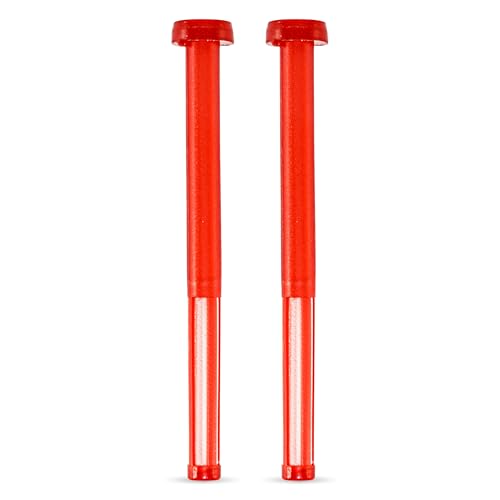
BlueStars 2 Pcs GCV160 Fuel Filter – Honda GCV190 GC160LA
- ✓ Easy to install
- ✓ Filters out 99% impurities
- ✓ Durable construction
- ✕ Must verify fitment
- ✕ Limited to compatible models
| Compatibility | Honda GCV160, GCV170, GC160LA, GC190, GCV190, GCV200, GS190, GSV190 engines and various lawn mower models including HRX217, HRN216, HRR216, HRS216, HRC216K3, K6, K7, K8, HRS216K4 |
| Material | High-density Nylon mesh and ABS plastic housing |
| Filtration Efficiency | Filters out 99% of impurities from fuel |
| Dimensions | Designed to fit specific Honda engine models (exact measurements not specified) |
| Price | $8.99 |
| Warranty | Lifetime protection against defects |
The first thing you’ll notice about the BlueStars 2 Pcs GCV160 Fuel Filter is how easy it is to handle. Its high-density nylon mesh feels sturdy yet flexible, giving you confidence that it’ll filter out nearly all impurities without clogging up quickly.
When you install it, you’ll appreciate how snugly it fits compatible Honda engines like GCV160, GCV190, and others. The clear plastic housing allows you to quickly check for dirt or debris buildup, which means less guesswork during maintenance.
This filter does a fantastic job of providing clean fuel, ensuring your mower runs smoothly and efficiently. You won’t experience the sluggish starts or stalling that often come with dirty fuel filters.
One thing I really liked is the durability. The ABS plastic casing feels tough, resistant to wear and tear from vibration or heat, so it should last a long time.
Plus, the lifetime protection gives peace of mind—knowing that if anything goes wrong, you’re covered.
Replacing it is straightforward, and at just under $9, it’s a solid investment to keep your lawn mower running like new. The only downside I found is that you need to double-check the size and fitment of your engine before purchasing, as compatibility is crucial.
Otherwise, this filter is a reliable, cost-effective upgrade for your mower’s fuel system.
What Type of Fuel Is Recommended for a Honda Lawn Mower?
The recommended fuel options for a Honda lawn mower are:
- Unleaded Gasoline: Regular unleaded gasoline with an octane rating of 86 or higher is ideal for Honda lawn mowers.
- Non-Ethanol Gasoline: This type of gasoline is preferred due to its stability and reduced risk of engine issues.
- Fuel Stabilizers: Adding a fuel stabilizer can help maintain fuel quality and prevent engine problems over time.
Unleaded Gasoline: Honda lawn mowers perform best with regular unleaded gasoline, which should have an octane rating of 86 or higher. This fuel type helps ensure efficient combustion and optimal engine performance, providing the necessary power for cutting grass effectively.
Non-Ethanol Gasoline: Non-ethanol gasoline is recommended because it contains no alcohol, which can attract moisture and lead to fuel degradation. This type of fuel is less likely to cause issues like carburetor clogs and can enhance engine longevity, making it a safer choice for those who want to minimize maintenance problems.
Fuel Stabilizers: Using a fuel stabilizer can prolong the life of gasoline stored in your mower’s tank, especially if the mower is not used frequently. These additives help prevent oxidation and keep the fuel from breaking down, which can lead to starting issues and poor engine performance when the mower is brought back into use.
Why Is Ethanol-Free Fuel Preferred for Honda Lawn Mowers?
Ethanol-free fuel is preferred for Honda lawn mowers primarily because it reduces the risk of engine deterioration and fuel system problems that can arise from using ethanol-blended fuels.
According to the American Motorcyclist Association, ethanol can attract moisture, leading to the formation of corrosive acids and the potential for phase separation, which can severely harm small engines like those found in lawn mowers. Ethanol can also cause gumming and varnishing in the carburetors and fuel injectors, ultimately leading to performance issues and costly repairs.
The underlying mechanism involves the chemical properties of ethanol, which is hygroscopic, meaning it absorbs water. When ethanol-blended fuel sits in the tank for extended periods, especially in humid conditions, moisture can accumulate. This not only decreases the fuel’s effectiveness but also increases the likelihood of rust and corrosion inside the fuel system. Additionally, the use of ethanol can lead to incomplete combustion, resulting in a buildup of carbon deposits that can negatively affect engine performance and longevity.
Furthermore, Honda provides specific recommendations in their owner’s manuals, emphasizing the use of fuel with no more than 10% ethanol. This is due to the manufacturer’s recognition of the potential long-term damage that ethanol can inflict on the engine components, particularly in models designed for optimal performance with pure gasoline. By adhering to these guidelines and opting for ethanol-free fuel, users can enhance the durability and reliability of their Honda lawn mowers.
What Octane Level Should You Use for Optimal Performance?
For optimal performance of your Honda lawn mower, selecting the appropriate octane level is essential. Most Honda lawn mowers operate effectively with regular unleaded fuel featuring an octane rating of 87. This fuel type provides a good balance of performance and cost for typical mowing tasks.
However, certain conditions might prompt a consideration for higher octane fuel:
– High-Performance Models: Some advanced Honda engine models may benefit from mid-grade fuel with an octane rating of 89.
– Older Engines: If your mower has a high compression ratio and is older, using premium fuel (91 octane or higher) can help prevent knocking and ensure smoother operation.
It’s important to note that while higher octane fuels can provide smoother performance under specific circumstances, they do not necessarily enhance power for the average homeowner’s mowing activities. Always refer to your owner’s manual for the manufacturer’s recommendations tailored to your engine’s needs and keep fuel fresh by using stabilizers, especially if storing for longer periods.
What Are the Potential Risks of Using Regular Gasoline in Honda Lawn Mowers?
Fuel system issues are common when using regular gasoline, as the ethanol content can absorb water from the atmosphere, leading to phase separation and the formation of sludge, which clogs fuel lines and filters.
Reduced performance is a risk when the lawn mower is not supplied with the proper octane-rated fuel, which can cause the engine to operate inefficiently, leading to knocking sounds and a decrease in cutting power.
Finally, a shortened lifespan is a consequence of the cumulative effects of using regular gasoline, as the risk of mechanical failures increases, requiring more frequent maintenance and repairs, and potentially leading to premature replacement of the lawn mower.
What Maintenance Practices Can Enhance Fuel Efficiency in Honda Lawn Mowers?
To enhance fuel efficiency in Honda lawn mowers, several maintenance practices are essential:
- Use the Recommended Fuel: Always use the fuel type recommended by Honda, typically unleaded gasoline with an octane rating of 86 or higher.
- Regular Air Filter Maintenance: Clean or replace the air filter regularly to ensure optimal airflow to the engine.
- Keep Blades Sharp: Sharpen the mower blades frequently to ensure clean cuts, which can reduce engine strain and fuel consumption.
- Check Spark Plug Condition: Inspect and replace the spark plug as needed to ensure efficient combustion and engine performance.
- Change Oil Regularly: Use high-quality oil and change it according to the manufacturer’s schedule to keep the engine running smoothly.
- Inspect Fuel System Components: Regularly check fuel lines, filters, and carburetor for any clogs or leaks that can affect fuel flow.
- Keep the Mower Clean: Regularly clean the mower deck and undercarriage to prevent grass buildup, which can affect performance and efficiency.
Use the Recommended Fuel: Honda recommends using unleaded gasoline with a minimum octane rating of 86 to ensure optimal engine performance. Using the wrong fuel can lead to poor combustion, which impacts both efficiency and engine longevity.
Regular Air Filter Maintenance: A clean air filter allows for better airflow to the engine, which is crucial for proper combustion. When the air filter is clogged, the engine works harder, leading to increased fuel consumption.
Keep Blades Sharp: Sharp mower blades create clean cuts, which reduces the amount of energy the engine needs to exert. Dull blades can tear grass rather than cut it, causing additional strain on the engine and increasing fuel usage.
Check Spark Plug Condition: A worn or dirty spark plug can lead to incomplete combustion, causing the engine to use more fuel than necessary. Regular inspection and replacement of the spark plug support optimal engine performance and fuel efficiency.
Change Oil Regularly: Using the right type of oil and changing it at recommended intervals helps maintain engine lubrication and reduces wear. Clean oil ensures that the engine runs efficiently, which contributes to better fuel economy.
Inspect Fuel System Components: Regular checks of fuel lines and filters can prevent blockages that impede fuel flow. Maintaining these components ensures that the engine receives the right amount of fuel for efficient operation.
Keep the Mower Clean: A clean mower deck helps air flow and reduces drag, allowing the engine to run more efficiently. Grass build-up can lead to overheating and increased fuel consumption, so regular cleaning is essential for maintaining efficiency.
What Guidelines Does Honda Provide for Fuel Usage and Storage?
Honda provides specific guidelines for fuel usage and storage to ensure optimal performance and longevity of their lawn mowers.
- Use Unleaded Gasoline: Honda recommends using only unleaded gasoline to prevent deposit build-up and engine damage.
- Fuel Octane Rating: A minimum octane rating of 86 or higher is advised to ensure proper engine performance.
- Storage Duration: Honda suggests not storing fuel for more than 30 days to avoid degradation and potential starting issues.
- Fuel Stabilizers: If fuel must be stored for extended periods, using a fuel stabilizer is recommended to keep the gasoline fresh and prevent phase separation.
- Avoid Ethanol Blends Over 10%: Honda cautions against using gasoline with more than 10% ethanol, as it can lead to fuel system problems and engine issues.
- Keep Fuel Containers Clean: Using clean, approved containers for fuel storage is essential to prevent contamination that can affect engine performance.
Using unleaded gasoline is crucial as it helps avoid harmful deposits that can accumulate from leaded fuels, ensuring smoother operation and better combustion.
The recommended minimum octane rating of 86 ensures that the engine runs efficiently without knocking, which can occur with lower octane fuels, potentially leading to severe engine damage.
Storing fuel for more than 30 days can lead to oxidation and evaporation, which alters the fuel composition and can cause starting problems or poor engine performance.
Fuel stabilizers prevent the chemical breakdown of gasoline and allow for longer storage without the risks associated with stale fuel, making it a vital addition for seasonal users.
Excessive ethanol can attract moisture and lead to corrosion in the fuel system, which is a significant reason Honda recommends keeping ethanol content below 10%.
Lastly, ensuring that fuel containers are clean and free from debris prevents contaminants from entering the fuel system, which is essential for maintaining optimal mower performance and longevity.
How Should You Store Fuel for Honda Lawn Mowers?
The best fuel storage practices for Honda lawn mowers ensure optimal performance and longevity of the engine.
- Use Fresh Gasoline: Always use fresh, high-quality gasoline that has been purchased within the last 30 days. Gasoline can deteriorate quickly, leading to potential starting issues and engine performance problems.
- Fuel Stabilizers: Adding a fuel stabilizer to your gasoline can help maintain its quality over time. This additive prevents the fuel from breaking down and forming varnish or gum that can clog the fuel system.
- Keep it Sealed: Store fuel in a tightly sealed container to minimize exposure to air and moisture. This prevents evaporation and contamination, which can degrade the fuel quality.
- Cool, Dry Storage: Keep fuel containers in a cool, dry place away from direct sunlight and extreme temperatures. Heat can accelerate fuel degradation, while humidity can introduce water into the fuel.
- Label Containers: Clearly label your fuel containers with the purchase date and type of fuel. This helps you keep track of how long the fuel has been stored and ensures you use the freshest fuel first.
Using fresh gasoline is crucial because it directly affects the mower’s performance; old fuel can lead to hard starts and engine knocking.
Fuel stabilizers are particularly beneficial if you plan to store your mower for an extended period, as they extend the shelf life of the fuel and help maintain engine cleanliness.
Sealing fuel containers properly prevents oxygen from degrading the fuel quality, while cool, dry storage conditions help avoid temperature fluctuations that can lead to condensation.
Labeling your fuel containers is a simple yet effective way to manage your fuel stock, ensuring that you always use the best and freshest fuel available for your Honda lawn mower.
What Factors Should You Consider When Selecting Fuel for Your Honda Lawn Mower?
When selecting fuel for your Honda lawn mower, several factors should be considered to ensure optimal performance and longevity.
- Octane Rating: Choosing the right octane rating is crucial for preventing engine knock and ensuring efficient combustion. Honda recommends using unleaded fuel with an octane rating of 86 or higher to enhance performance and reduce emissions.
- Fuel Type: The most commonly recommended fuel for Honda lawn mowers is unleaded gasoline. It is essential to avoid using fuels that contain alcohol, such as E85, as they can cause damage to the engine and fuel system components over time.
- Additives and Ethanol Content: Consider the presence of ethanol in the fuel, as high ethanol content can lead to corrosion and fuel system issues. Opting for fuel with no more than 10% ethanol (E10) is generally safer for your mower, and using fuel with additional stabilizers can help prolong shelf life.
- Freshness of Fuel: Always use fresh fuel, as gasoline can degrade over time, leading to starting issues and reduced performance. It is advisable to use fuel within 30 days of purchase or store it properly in a sealed container to extend its usability.
- Environmental Regulations: Be aware of local environmental regulations regarding fuel use, as some areas may have specific guidelines for emissions. Using low-emission fuel options can help comply with these regulations while also being beneficial for the environment.
- Storage Conditions: The way fuel is stored can impact its quality and effectiveness. Ensure that fuel is kept in a cool, dry place and in appropriate containers to prevent evaporation and contamination.